
Why Your Appliances Break Down in Summer Heat
Wondering why your perfectly working refrigerator suddenly starts acting up the moment temperatures soar past 30°C? It’s not just your imagination – summer heat puts your home appliances through a stress test they’re often not equipped to handle, especially in Coquitlam’s unique coastal climate.
Picture this: you’re hosting a backyard BBQ, the AC is cranking, your fridge is packed with cold drinks, and suddenly – silence. Your air conditioner just gave up on the hottest day of the year. Sound familiar? If you’re living in Coquitlam or the Fraser Valley, you’re dealing with more than just typical summer heat stress on your appliances.
The combination of rising temperatures, coastal humidity, and increased electrical demand creates a perfect storm for appliance failures. Understanding why this happens – and how our Pacific Northwest climate makes things even trickier – can save you hundreds in emergency repair calls and keep your home running smoothly all season long.
Key Outtakes:
- For every 1°F increase in ambient temperature, refrigerators consume 2-2.5% more energy, creating a potential 45-50% increase in power consumption during hot conditions
- Air conditioning compressors are the most expensive components to replace and are particularly susceptible to failure during heat waves due to thermal overload
- Coquitlam’s moisture-laden Pacific air accelerates corrosion in appliance components and creates condensation damage that inland regions don’t experience
- Summer power demand spikes create voltage fluctuations that damage sensitive appliance electronics, accounting for a significant portion of all appliance failures
- Regular summer maintenance can prevent 80% of heat-related appliance breakdowns and extend equipment lifespan by up to 40%
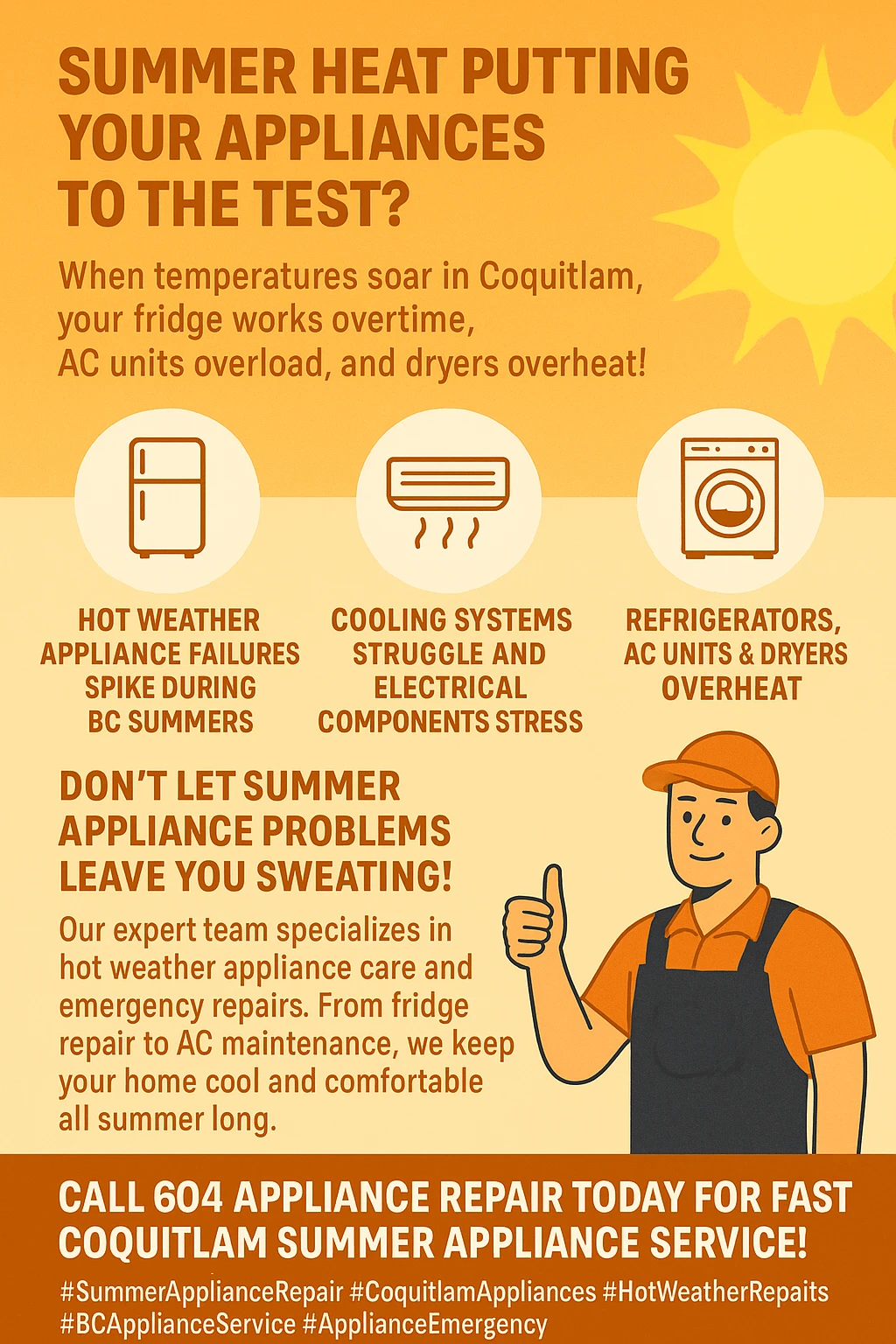
How Heat Actually Destroys Your Appliances
When most people think about summer appliance problems, they imagine simple overheating. But the reality is way more complex and frankly, kind of fascinating in a nerdy way. Your appliances aren’t just getting “too hot” – they’re experiencing multiple layers of stress that compound into catastrophic failures.
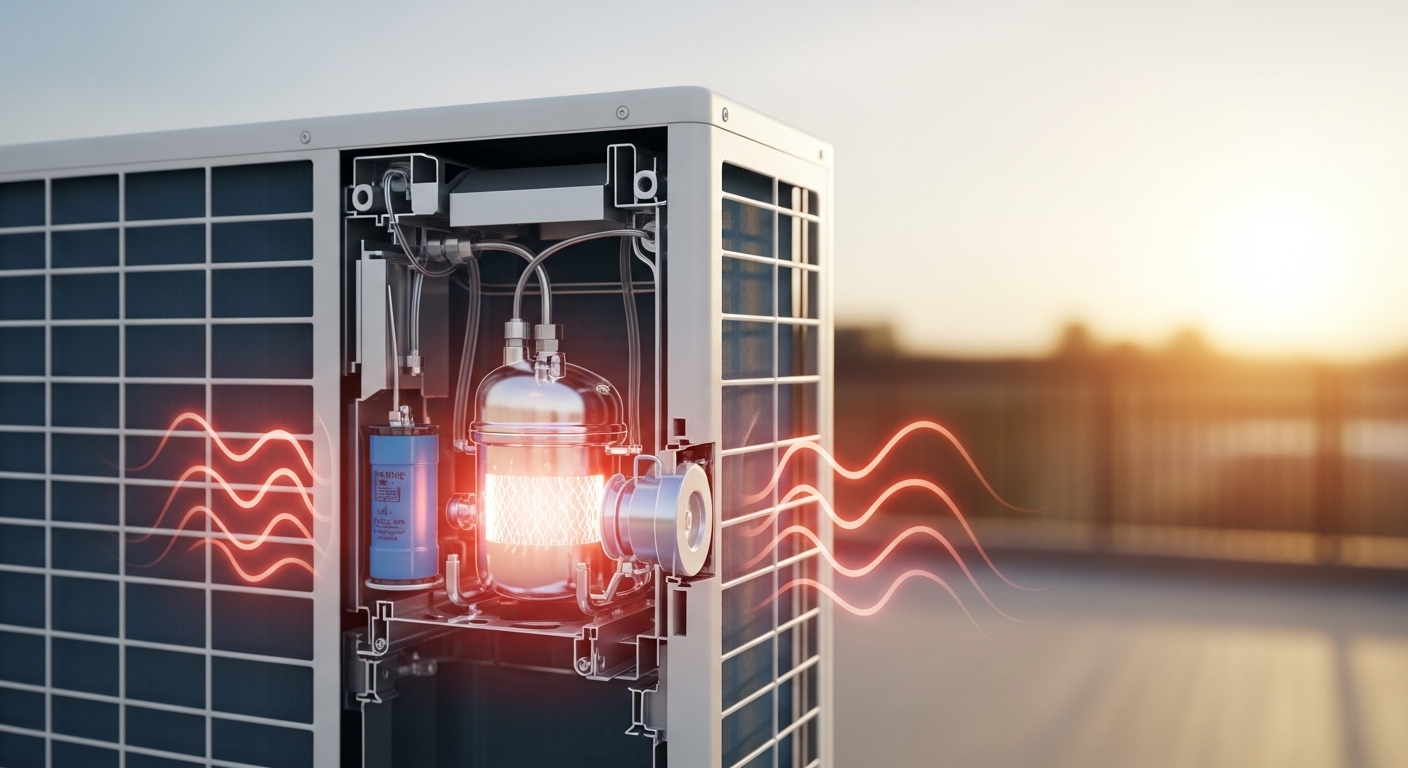
Let’s start with your AC’s compressor, which is basically the heart of your cooling system. When outdoor temperatures exceed 95°F, something interesting happens: your AC system starts fighting a losing battle. It becomes increasingly difficult to release warm air into an already-hot environment, forcing the compressor to work overtime. This thermal overload is responsible for 49% of component failures and represents one of the most expensive repairs you’ll face – we’re talking potential complete system replacement territory.
But here’s where it gets really interesting – the most common summer failure isn’t actually the compressor. It’s those little cylindrical things called capacitors, and they absolutely hate heat. These components provide the electrical “jolt” to start your AC compressor and fan motors, and they’re notorious for failing in summer because excessive heat makes them swell, leak oil, or burn out completely. When a capacitor fails, your AC might hum but refuse to start the compressor, or worse, nothing happens at all when you desperately need cooling.
The Refrigerant Leak Mystery That Stumps Most Homeowners
Now here’s something that’ll blow your mind: even in 100°F weather, your evaporator coils can actually freeze solid. I know, it sounds backwards, but stick with me. When refrigerant levels drop due to leaks, the coil temperature can fall below 32°F, causing humidity to freeze on the coil surface even as your house feels like an oven.
The culprit behind most refrigerant leaks is something called formicary corrosion. Indoor air contaminants mix with moisture to create formic acid that slowly bores microscopic holes in copper tubing. Summer heat accelerates this process, making existing leaks worse and creating new ones. It’s like your cooling system is being eaten from the inside out by chemistry.
What makes this particularly frustrating for Coquitlam residents is that our coastal climate creates perfect conditions for this type of corrosion. The combination of salt air from the Pacific and high humidity creates an accelerated corrosion environment that can reduce equipment life by up to 40% compared to inland installations. Your appliances are basically fighting a war on multiple fronts.
Why Coquitlam’s Climate Is Uniquely Brutal on Appliances
Living in the Fraser Valley means dealing with something I like to call the “humidity multiplier effect.” Our position creates unique weather patterns where temperature inversions trap moisture, creating humidity conditions 20-30% higher than weather forecasts suggest. This hidden humidity overwhelms standard appliance ventilation systems that were designed for average moisture levels.
Unlike more stable coastal areas or consistently dry interior regions, Coquitlam experiences dramatic seasonal temperature swings that create unique stress patterns. Winter freeze-thaw cycles cause appliance components to constantly expand and contract throughout the year, creating microscopic cracks in seals and loosening electrical connections. By the time summer heat arrives, your appliances are already compromised – it’s like they’re starting the marathon with a twisted ankle.
The salt air factor is real too, even though we’re not directly on the waterfront. Salt particles from the Pacific travel surprisingly far inland, gradually accumulating on and within household appliances. This creates an accelerated corrosion environment where metal parts critical to appliance operation corrode and rust faster than they should, leading to gradual performance degradation and eventual malfunction.
The Summer Appliance Failure Parade
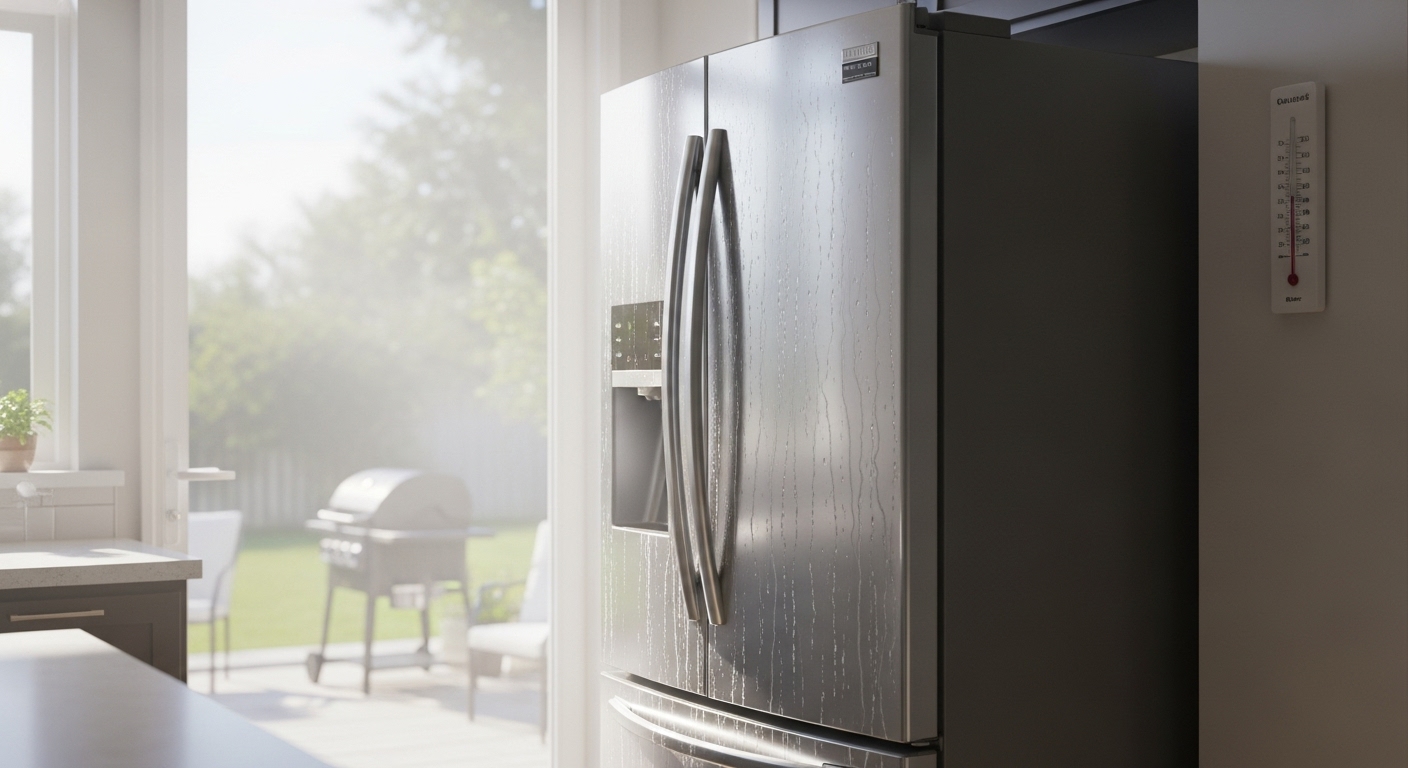
Different appliances fail in summer for surprisingly specific reasons. Your refrigerator, for example, faces what I call the “thermal amplification effect.” For every degree the ambient temperature rises, your fridge consumes 2-2.5% more energy. When your kitchen hits 90°F compared to a comfortable 70°F, that’s a staggering 45-50% increase in power consumption. Your poor refrigerator is basically running a marathon while wearing a winter coat.
Dryers experience their own summer nightmare scenario. While it seems logical that hot weather would help with drying, the opposite is true in our humid coastal climate. Higher humidity actually reduces dryer effectiveness per cycle, forcing multiple drying attempts that compound wear on heating elements and motors. A clogged lint filter makes this even worse, increasing drying time by up to 30% and creating serious fire risks.
Front-loading washing machines popular in Vancouver condos face a mold and mildew acceleration problem. The rubber door seals trap moisture, and Coquitlam’s humid air prevents proper drying between loads. In our climate, these washers are 3-4 times more prone to mold growth than in drier regions, requiring weekly door opening and monthly vinegar cleaning cycles rather than typical maintenance schedules.
The Hidden Electrical Danger Most People Ignore
Here’s something that keeps me up at night: the summer power grid strain creates a cascade effect that most homeowners never see coming. When everyone cranks their AC on the same scorching day, the entire power grid feels the burden. This increased demand manifests as voltage fluctuations in your home electrical system that can damage sensitive appliance electronics.
But here’s the really insidious part – when power grid demand spikes cause voltage fluctuations, sensitive appliances like refrigerators try to compensate by running their compressors harder. This draws more power, creating additional grid strain that causes further voltage fluctuations. It’s a positive feedback loop that exacerbates both the appliance stress and the underlying electrical problem.
Brown-outs are actually more dangerous than complete power outages because appliances draw excessive power trying to compensate for low voltage, potentially damaging motors, heating elements, and electronic controls. The best course of action during a brown-out is to unplug all major appliances until normal power returns – something most people never think to do.
Your Summer Appliance Survival Guide
Prevention is everything when it comes to summer appliance protection. Start with your air conditioning system by replacing or cleaning filters monthly during peak season – dirty filters restrict airflow and force the entire system to work harder. Clean those condenser coils regularly to remove dust and debris that cause overheating, and consider having refrigerant levels checked before peak summer arrives.
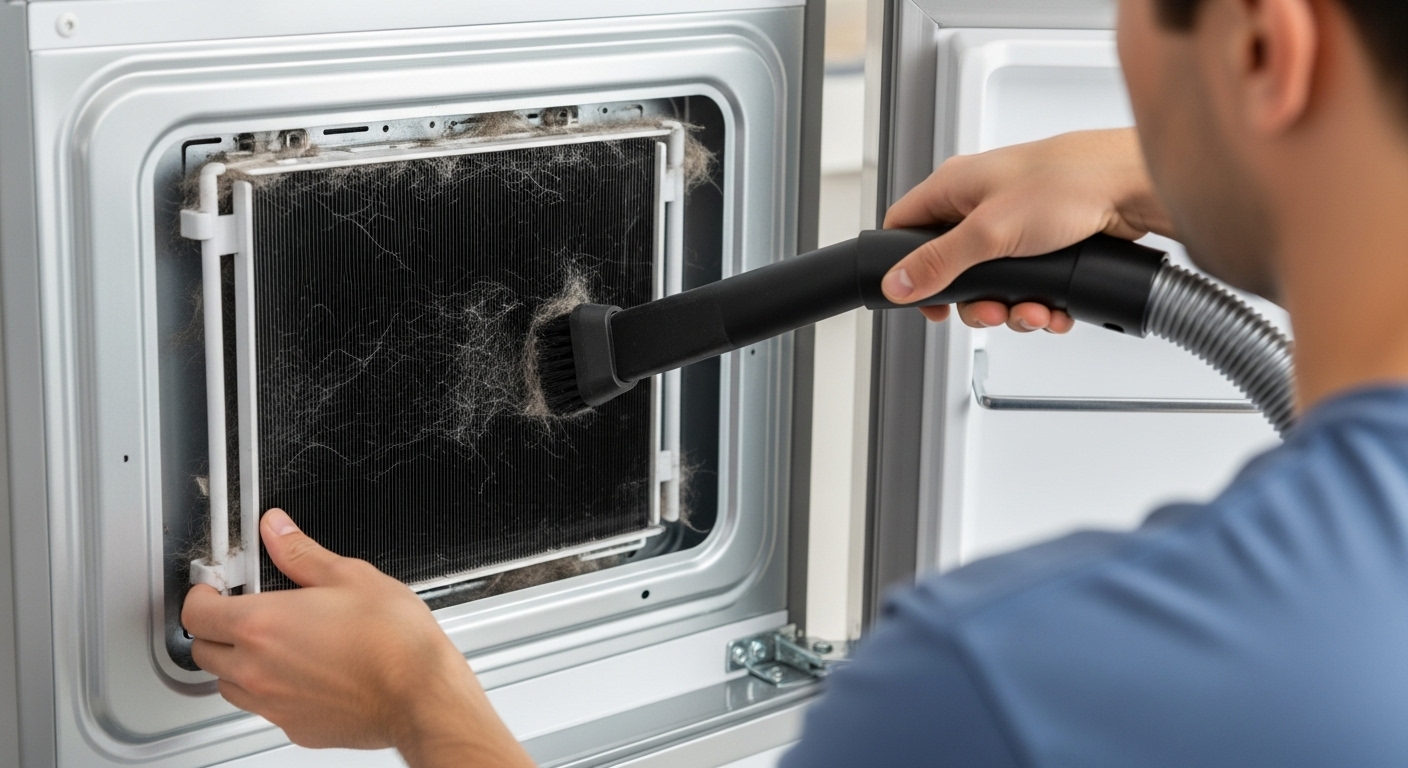
For refrigerators and freezers, vacuum those condenser coils every six months and ensure at least three inches of clearance from walls for proper heat ventilation. Test door seals with the dollar bill trick – if it slides out easily, those gaskets need replacement to prevent warm air infiltration. In Coquitlam’s humid climate, refrigerator placement away from exterior walls prevents additional condensation issues from salt air penetration.
Your dryer needs special attention in our coastal environment. Clean the lint trap before every single load – this isn’t just efficiency advice, it’s fire prevention. Clean the dryer vent thoroughly at the start of summer season, and leave washer and dryer doors open after use to allow interior drying and prevent mold buildup in our humid air.
Frequently Asked Questions
Why does my refrigerator work less efficiently in summer?
Your refrigerator’s efficiency drops dramatically as ambient temperature rises because the compressor must work overtime to maintain consistent internal temperatures against external heat. For every 1°F increase in room temperature, energy consumption jumps 2-2.5%, meaning a 90°F kitchen versus 70°F conditions creates a 45-50% increase in power usage. In Coquitlam’s humid climate, condensation forms on coils and internal components, forcing even more frequent compressor cycling.
The solution involves ensuring proper ventilation with at least three inches of wall clearance, cleaning condenser coils regularly, and keeping doors closed except when necessary. Position your refrigerator away from direct sunlight and heat sources, and consider that a well-stocked fridge actually runs more efficiently in summer because there’s less warm air space to cool when doors open.
What causes air conditioners to fail during heat waves?
AC failures during extreme heat typically stem from compressor thermal overload, which accounts for 49% of component failures when outdoor temperatures exceed 95°F and systems cannot effectively release heat into already-hot environments. The most common immediate culprit is a dirty air filter restricting airflow, but capacitor burnout represents the most frequent part replacement because these components “hate heat” and fail when they swell, leak oil, or burn out completely.
Other critical issues include refrigerant leaks from thermal expansion and the paradoxical freezing of evaporator coils when low refrigerant levels cause coil temperatures to drop below 32°F even in extreme heat. Prevention requires monthly filter replacement during peak season, professional coil cleaning, refrigerant level checks, and understanding that capacitors have designed-in lifespans making proactive replacement worthwhile.
How does coastal humidity specifically damage appliances differently?
Coquitlam’s Fraser Valley position creates persistent high humidity that penetrates deep into appliance mechanisms where drainage systems weren’t designed to handle such moisture volumes. This humidity doesn’t just create surface condensation – it infiltrates electronic components causing short-circuiting and electrochemical corrosion while promoting mold and mildew growth in washing machines and dryers.
The combination of Pacific salt air and high humidity accelerates metal component corrosion, while winter freeze-thaw cycles create expansion-contraction stress that weakens seals and connections before summer even arrives. Result: appliances in our region experience 10-20% shorter lifespans compared to drier areas, with humidity-related failures representing 30-40% of summer service calls versus much lower rates inland.
Should I worry about power surges damaging appliances in summer?
Absolutely – summer power surges represent a significant but often overlooked threat to your appliances. Peak heat drives up electrical demand across the entire grid, causing voltage fluctuations that damage sensitive electronics, compressors, and control boards. Brown-outs can actually be more harmful than complete outages because appliances draw excessive power trying to compensate for low voltage conditions.
The danger comes from both dramatic events like lightning strikes and small daily surges from grid strain and energy-intensive appliances cycling on. Protection involves installing surge protectors for sensitive electronics and considering whole-house surge protection that safeguards all appliances and wiring. During storms or brown-out conditions, unplugging non-essential appliances provides additional safety.
Wrapping Up
Summer heat doesn’t just make your home uncomfortable – it creates a cascade of stress factors that push appliances beyond their design limits through increased cycling demands, humidity-induced corrosion, electrical grid strain, and the unique challenges of coastal salt air exposure here in Coquitlam. Understanding these interconnected failure mechanisms, from capacitor vulnerability to our region’s “humidity multiplier effect,” empowers you to implement targeted prevention strategies that can extend appliance lifespans by up to 40% while preventing 80% of heat-related breakdowns. When summer appliance disasters strike despite your best efforts, don’t let them turn into major headaches – contact 604 Appliance Repair – Coquitlam for professional diagnosis and repair services that understand the unique challenges our coastal climate poses to your home’s essential systems.
